

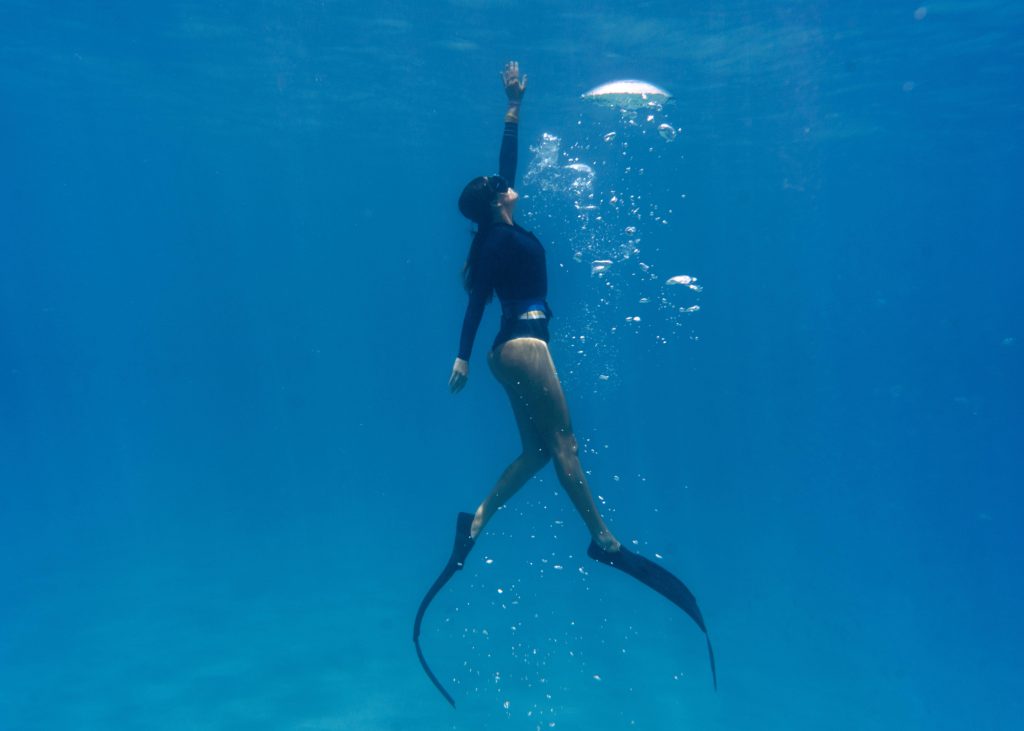
Picture this: you’ve splashed out on the swankiest dive gear money can buy, you’re bobbing on a boat somewhere magical, and… your mask fogs up two minutes into the descent. The mozzies on deck have declared you their personal buffet. Your shoulders are quietly crisping while the reef below judges your sunscreen choices. And just as you finally clear the fog, a sneaky trickle of seawater starts pooling under your nose like an uninvited houseguest.
Here’s the funny bit — most of these little underwater dramas don’t need a trip to the dive shop to fix. The cleverest solutions are probably sitting in your bathroom cabinet right now, between the toothpaste and that half-empty bottle of conditioner you forgot you owned. From a smear of baby shampoo that keeps your mask crystal clear, to the right reef-safe sunscreen that won’t bleach the very corals you came to see, to a humble household trick that stops mask seepage in its tracks — the cosmetics aisle is hiding a few quiet heroes that can genuinely save your dive (and maybe your skin, your sanity, and a patch of ocean while they’re at it).
So grab a cuppa. Here’s how to raid your toiletries shelf like a seasoned divemaster.ss, particularly those that support surface protection, moisture retention, and oxidative defense.
A. BEFORE YOUR DIVE: PREPARE + PROTECT
- Protect Your Skin from UV Exposure:
Many divers underestimate how much UVA and UVB exposure still occurs underwater. UV rays can penetrate water and contribute to oxidative stress, pigmentation, and premature skin aging. Using a high-protection broad-spectrum sunscreen with ingredients such as zinc oxide, bemotrizinol, and antioxidants like tocopherol helps support long-lasting UV defense during diving trips. These systems are commonly found in high-protection sunscreen formulations designed for extended outdoor exposure, including those developed within dermatological ranges such as SKINLAB. Supporting ingredients such as tocopherol and botanical antioxidants further contribute to neutralising free radicals generated by UV exposure.
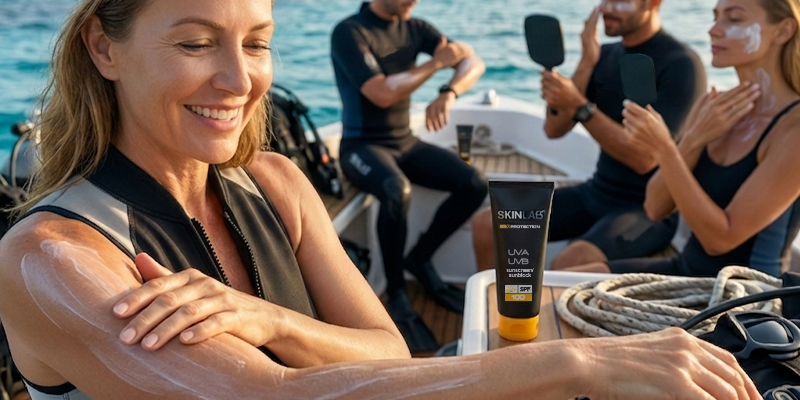
In addition to protecting the skin from UV-induced damage, modern sunscreen formulations are increasingly designed with marine and reef-safe considerations in mind. In reef-sensitive environments, ingredient selection plays an important role in minimising environmental impact while still maintaining effective sun protection. Many marine-conscious sunscreen systems prioritise photostable filters and carefully selected ingredients aligned with evolving reef-friendly and ocean-safe standards.
Pro Tip:
Reapply sunscreen after every dive
Wear UV-protective clothing
Avoid prolonged direct sun exposure during surface intervals
2. Protect Your Hair from Saltwater Damage:
Saltwater can increase hair porosity, lift the cuticle layer, and weaken hair fibers over time. A simple diver’s trick is to wet the hair with fresh water before entering the ocean to reduce salt absorption.
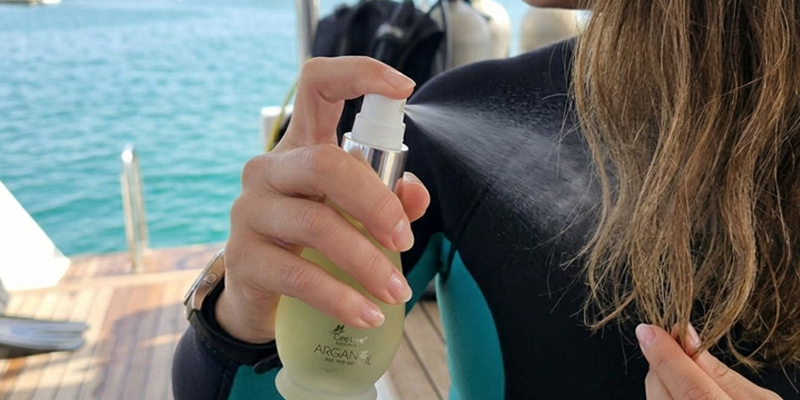
Using lightweight oils rich in essential fatty acids, such as argan oil, can also help form a protective barrier over the hair shaft. Nourishing oils like CareLine Naturals Argan Oil help reduce moisture loss, improve softness, and maintain smoother, healthier-looking hair despite repeated seawater exposure.
3. Keep Your Dive Mask Fog-Free:
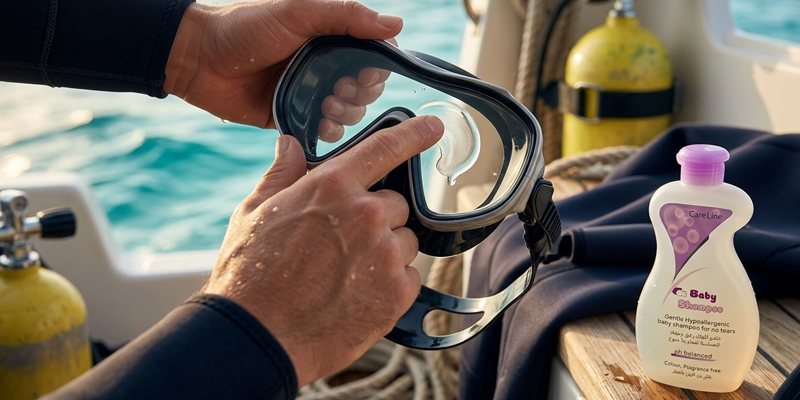
Mask fogging happens when condensation forms tiny droplets on the lens surface, reducing underwater visibility. Many divers use mild baby shampoo formulations to help reduce surface tension and improve lens clarity. Gentle surfactants such as cocamidopropyl betaine and PEG-80 sorbitan laurate allow water to spread evenly across the lens rather than forming fog droplets. Mild systems like CareLine Baby Shampoo are often preferred because they are low-irritation and easy to rinse.
4. Support Better Mask Seal and Reduce Water Seepage:
A proper mask seal is essential for comfort and clear underwater visibility. Facial hair, dry skin, or uneven skin texture around the mask area can sometimes create tiny gaps that allow water to seep into the mask during dives. Many divers use highly viscous oils such as Jamaican castor oil to help improve mask adhesion. Rich in ricinoleic acid, castor oil forms a smooth occlusive layer that helps minimise small gaps between the mask silicone and the skin while reducing friction and dryness around the seal area.
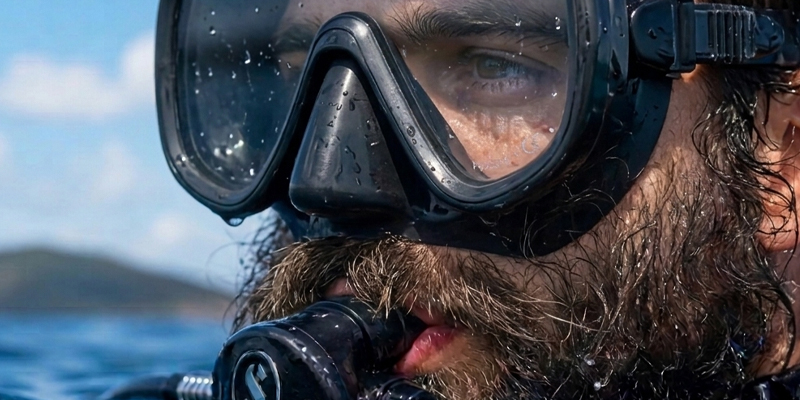
Concentrated formulations such as CareLine Naturals Jamaican Castor Oil are commonly used by divers to support a more comfortable and stable mask seal, particularly around moustache, beard, and textured skin areas during prolonged dives.
5. Help Prevent Mosquito and Insert Bites:
Diving trips often involve coastal, tropical, and outdoor environments where mosquitoes and insects are common — especially during boat rides, preparation time, and surface intervals between dives.
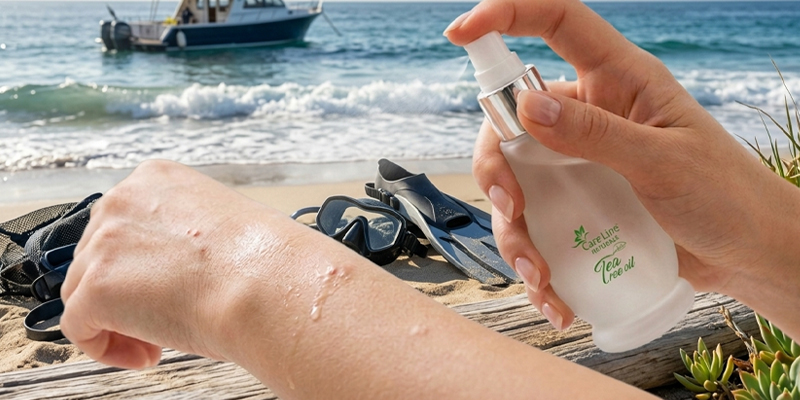
Tea tree oil is widely used in outdoor care products due to its naturally strong aroma and refreshing botanical properties. Lightweight sprays such as CareLine Naturals Tea Tree Oil Spray can help make outdoor exposure more comfortable by helping discourage mosquitoes and other insects from landing on the skin during diving activities and coastal travel.