
The skincare world is filled with natural and plant-based ingredients, but when it comes to botanical oils,
the origin of the ingredient can make a major difference. A plant is not defined by its name alone. Its
quality can be influenced by climate, soil, growing environment, harvesting method, distillation process,
and its natural chemical profile.
Tea tree oil is a strong example. The term “tea tree” is often used broadly, but not all tea tree plants or
oils are the same. Australia has a deep botanical connection to tea tree species. In the Leptospermum
tea tree group, 77 species occur in Australia, and 75 of them are endemic, meaning they are found only
in Australia. This highlights why Australia is strongly associated with tea tree plants and native botanical
ingredients.
For skincare and scalp care, the most recognised commercial tea tree oil is commonly derived from
Melaleuca alternifolia, a plant native to Australia. This oil became popular because of its cleansing,
purifying, and refreshing properties, especially in products for oily skin, blemish-prone skin, scalp
cleansing, and anti-lice care.
What Tea Tree Oil Is Commonly Used For
Tea tree oil is commonly included in:
- Cleansers for oily skin
- Spot treatments for blemishes
- Toners and lightweight serums
- Body washes for breakout-prone areas
- Shampoos for scalp cleansing
- Scalp treatments for oiliness and buildup
- Anti-lice formulations for head lice and nits
- Haircare products designed to refresh and purify the scalp
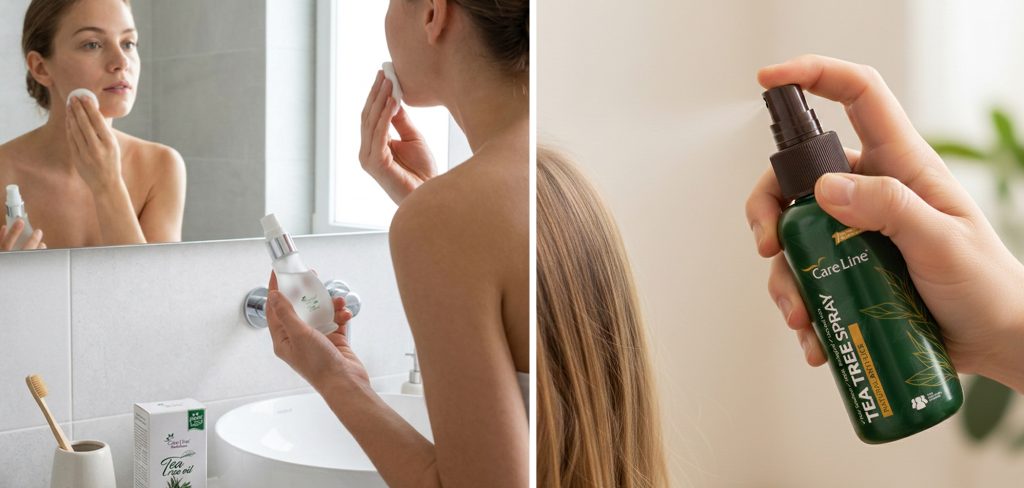
Because tea tree oil is highly concentrated, it is usually blended carefully into formulations instead of
being used directly at full strength. This helps keep the product more balanced and suitable for regular
skincare or scalp care use.
Australian Tea Tree Oil vs Ordinary Tea Tree Oil
Although many products simply list “tea tree oil” on the label, the quality can vary depending on the
source, chemotype, distillation process, and quality control standards.
- Origin and Botanical Source
Australian tea tree oil is traditionally sourced from Melaleuca alternifolia, widely recognised as
the original commercial source of tea tree oil. Australia’s natural growing conditions, including its
climate, soil, and environment, help support the quality and consistency of the plant.
Tea tree oil produced outside Australia may still be used in personal care products, but the final
oil can vary depending on the plant source, farming method, climate, and processing standards.
This means that two oils labelled as “tea tree oil” may not always have the same chemical profile
or performance. - Chemotype Matters
One of the most important facts about tea tree oil is that its chemotype matters. A chemotype
refers to the natural chemical composition of the oil.
High-quality tea tree oil for skincare is commonly valued for a profile rich in terpinen-4-ol, a key
component associated with tea tree oil’s cleansing and purifying properties. If the wrong
chemotype is used, the oil may be less effective, inconsistent, or more likely to cause irritation,
especially for sensitive, acne-prone, or compromised skin.
This is why tea tree oil should not be judged by name alone. The botanical source, chemical
profile, and formulation quality are all important.
- Consistency, Purity, and Processing
Australian tea tree oil is often associated with more established cultivation, distillation, and
testing practices. These standards help maintain a more consistent oil profile from harvest to
harvest.
This matters because tea tree oil is a concentrated essential oil. Poorly processed or lower-
quality oils may vary in strength, scent, colour, or composition. They may also be more affected
by oxidation if not stored properly, which can increase the risk of skin discomfort.
Why It Matters in Skincare and Scalp Care
When it comes to tea tree oil, origin is not a minor detail — it can decide whether the product
performs or disappoints. A properly sourced Australian tea tree oil, with the right chemical profile and
quality standard, can support a cleaner, fresher, and more balanced skin or scalp routine. But the wrong
oil can do the opposite. It may offer little to no visible benefit, waste time, trigger irritation, and even
leave the skin or scalp in a worse condition than when treatment started.
This is why Australian tea tree oil stands apart. Its recognised connection to Melaleuca alternifolia,
quality expectations, and reputation for consistency make it more than just another natural ingredient. It
is a performance ingredient. In skincare and scalp care, the source of tea tree oil can be the line between
a formula that works and a product that simply fails.