
At CareLine and SKINLAB, ethical sourcing is not a trend or a temporary response to current events. It is a long-standing position rooted in accountability, human dignity, and the belief that commercial activity must never be separated from moral responsibility.
For years, we have worked to ensure that our procurement decisions reflect not only quality and compliance, but also principle. That means examining where we source from, who we work with, and whether any part of our supply chain risks contributing to oppression, discrimination, unlawful occupation, or systemic human rights abuse.
Today, we are stating that position more clearly: we are committed to the journey of becoming an Apartheid-Free Zone, and to aligning our sourcing and business practices with the principles of ethical non-complicity reflected in the Palestinian-led BDS movement. The BDS movement calls for boycotts, divestment and sanctions as non-violent measures to withdraw support from Israel’s apartheid regime and from institutions and corporations complicit in it.
WHAT THIS MEANS IN PRACTICE
For us, this is not symbolic language. It means building procurement and supplier review processes that actively reduce the risk of complicity.
Our approach includes:
- Screening suppliers and business relationships against ethical risk criteria;
- Ensuring sourcing practices avoid any exposure of our operations to entities linked to grave human rights violations, war crimes, or crimes against humanity;
- Strengthening due diligence around ownership, origin, distribution pathways, and commercial affiliations;
- Periodically reviewing supplier relationships to ensure they remain aligned with our standards; and
- Continuing to improve internal procurement controls so that ethical considerations are built into decision-making, not treated as an afterthought.
This direction is consistent with the BDS movement’s Apartheid-Free Zone framework, which connects declarations of principle to concrete steps such as ending contracts, refusing partnerships, and adopting ethical procurement measures that avoid complicity in serious human rights violations.
A POSITION WE HAVE ALREADY ACTED ON
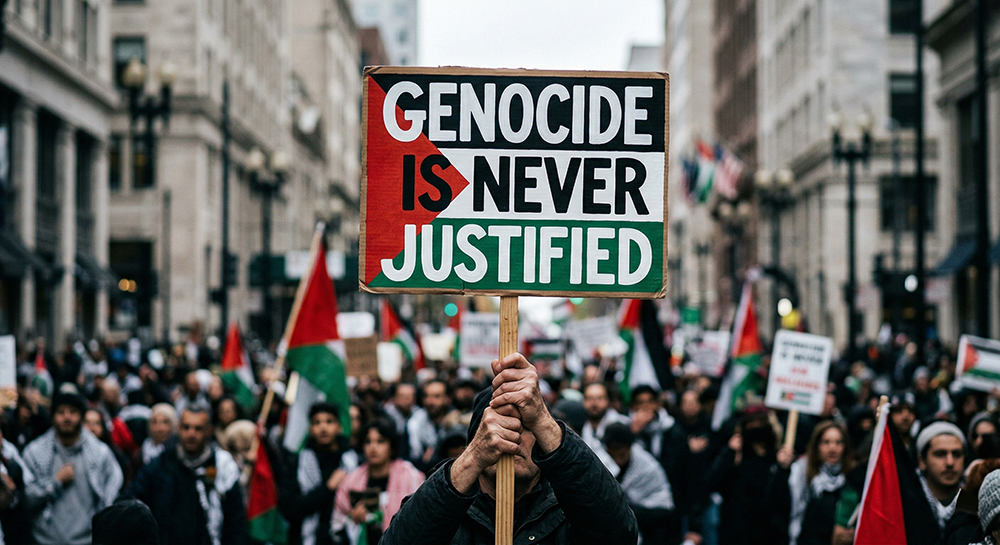
In October 2025, we undertook an internal operational pause and shared a public message across our official platforms, together with our partners and distributors worldwide. That step reflected our values and our refusal to treat what is happening in Palestine as something outside the scope of business ethics. Read the article here
It was part of a broader and longer-standing position: that companies should not profit from, normalise, or indirectly support systems built on segregation, dispossession, occupation, or apartheid.
WHY WE ARE SPEAKING PLAINLY
There are moments when neutral corporate language becomes a way of avoiding responsibility. We do not believe ethical sourcing can be meaningful if it refuses to name the structures of injustice it seeks to avoid.
Becoming an apartheid-free business means more than saying we care about fairness. It means taking reasonable, deliberate steps to ensure that our operations do not contribute to apartheid, settler colonialism, military occupation, or the economic networks that sustain them. The BDS movement’s AFZ materials frame this as ending complicity and creating spaces free of apartheid and oppression.
OUR ONGOING COMMITMENT
This is a continuing process, and we do not present it as finished. We are committed to deepening this work through stronger encouragement for partners and competitors to adopt these standards, more rigorous procurement review, and clearer internal standards.
Our objective is clear:
To ensure that the products we create are not only effective and trusted, but backed by sourcing decisions that reflect conscience, integrity, and solidarity with the rights and dignity of all people.
At CareLine and SKINLAB, quality is inseparable from ethics. We will continue working to ensure our business is part of a future built on justice, not complicity.