
Launching a beauty brand is an exciting dream for many. You have a vision of the perfect serum, the
most luxurious cream, or a game-changing hair care line. But turning that vision into a physical
product that sits on shelves in Paris, Dubai, or New York? That requires more than just a good idea.
It requires a manufacturing partner who knows exactly what they are doing.
In the cosmetic industry, the cosmetics manufacturer you choose is the backbone of your business. If the
product separates in the bottle, causes a reaction, or gets stuck at customs because of a labeling
error, it’s your brand name that takes the hit. This is why finding a high-quality global cosmetics
manufacturer is the single most important decision you will make.
But what actually separates a “factory” from a true manufacturing partner? It isn’t just about big
machines or low prices. It comes down to deep expertise, rigid safety standards, and the ability to
handle everything under one roof.
In this guide, we will walk through the operational, technical, and compliance factors that define the
best manufacturers in the world.
Advanced R&D: Science Before Production
A lot of people think manufacturing is just following a recipe. You give the factory a list of ingredients,
and they mix it up. In reality, high-quality manufacturing starts long before the machines turn on. It
starts in the lab.
The beauty industry moves fast. Yesterday it was Vitamin C; today it is exosomes, stem cells, and
nano-delivery systems. A top-tier manufacturer doesn’t just wait for you to bring them a formula.
They have their own team of scientists and dermatologists who are constantly researching the next
big breakthrough.
Why “Off-the-Shelf” Isn’t Enough
Low-tier manufacturers will offer you a “white label” catalog. This means you pick Formula A, put
your sticker on it, and sell it. There is nothing wrong with that for a hobbyist, but if you want to build a
premium brand, you need custom formulation.
A quality manufacturer offers:
- Active Ingredient Innovation: They understand how to stabilize complex ingredients like
plant-based stem cells or peptides so they actually work when applied to the skin. - Texture and Scent Profiling: They know that the “feel” of a lotion is just as important as the
result. - Stability Testing: They simulate different climates (heat, cold, humidity) to ensure your
product doesn’t spoil whether it’s sitting in a bathroom in London or a warehouse in Saudi
Arabia.
If your manufacturer can’t explain the science behind why an ingredient works, they are just mixers,
not innovators.
The “One-Window” Operation Model
One of the biggest headaches for new beauty brands is managing a fragmented supply chain. You
might have one company making the formula, another making the bottles, a third designing the box,
and a fourth handling the shipping. This is a recipe for disaster. Miscommunication happens,
deadlines are missed, and costs skyrocket.
The gold standard in modern manufacturing is the One-Window Operation or a turnkey solution.
What Does This Mean for You?
This means the manufacturer handles everything under one roof.
- Concept: Helping you refine your idea.
- R&D: creating the formula.
- Manufacturing: Mixing and filling the product.
- Packaging: Sourcing bottles, pumps, and jars that fit the formula (and don’t leak).
- Design: Creating compliant labels and branding.
- Logistics: Getting the product where it needs to go.
When a manufacturer controls the whole process, they can move faster. At Care Line, for example,
we see that brands launch significantly faster when they don’t have to chase down five different
vendors. It allows you to focus on marketing and selling, while the manufacturer handles the heavy
lifting of production.
Global Compliance and Safety Standards
This is the boring part that keeps business owners awake at night—but it is also the most critical.
The cosmetic industry is heavily regulated, and those regulations change depending on where you
are selling.
- In Europe: You have strict EU regulations that ban over 1,300 ingredients.
- In the USA: You have the FDA and the new MoCRA guidelines.
- In the Middle East & Asia: You have specific registration and Halal requirements in some
regions.
A high-quality global manufacturer is essentially a legal shield for your brand. They don’t just guess;
they know the laws.
Look for ISO 22716 (GMP)
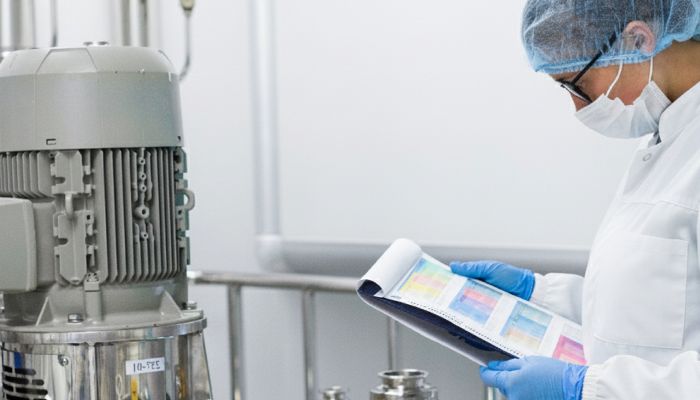
The baseline for any serious manufacturer is GMP (Good Manufacturing Practices), specifically
ISO 22716. This certification ensures that products are produced and controlled according to quality
standards. It covers everything from hygiene and staff training to equipment calibration and waste
management.
If a manufacturer cannot show you their current GMP certificate, run the other way. Without it, you
cannot legally sell in most major markets.
Documentation Support
When you want to export your skincare line to a new country, you will be asked for a mountain of
paperwork: Safety Data Sheets (SDS), Certificates of Analysis (COA), and Product Information Files
(PIF). A premium manufacturer generates these automatically. They have a regulatory team that
ensures your labels list ingredients in the correct order and use the correct INCI names, saving you
from costly recalls later.
Scalability: Growing Without Growing Pains
Many brands start small. You might order 1,000 units for your first launch. But what happens when
an influencer posts your product and you suddenly need 50,000 units next month?
Small labs often crumble under this pressure. They run out of raw materials, their machines are too
slow, or their quality drops because they are rushing. On the flip side, massive industrial factories
often won’t talk to you unless you are ordering millions of units.
The “sweet spot” is a manufacturer that offers scalable flexibility.
- Pilot Batches: They should be willing to do smaller runs to test the market.
- Mass Production: They should have the automated machinery to crank out hundreds of
thousands of units when you hit the big time.
True scalability also means having a robust supply chain. A quality manufacturer has relationships
with raw material suppliers all over the world. If there is a shortage of a certain bottle or extract, they
have backups. They plan ahead so your stock never runs dry.
Clean, Natural, and Biotech Capabilities
Consumers today are smart. They want products that are safe and natural, but they also want
results. The old debate was “Natural vs. Chemical,” but the future is Biotech.
High-quality manufacturers are now merging these two worlds. They use organic, plant-based
ingredients but enhance them with scientific processes (like fermentation or nanotechnology) to
make them more effective.
The Importance of Ethical Sourcing
Your manufacturer represents your brand’s values. If they are buying cheap ingredients that harm
the environment, that is on you.
- Cruelty-Free: Ensuring no animal testing is involved.
- Sustainable Packaging: Offering recyclable or biodegradable options.
- Pure Ingredients: Testing raw materials for heavy metals and contaminants before they
ever touch the mixing tank.
A manufacturer that prioritizes “Clean Beauty” standards protects your reputation in a market where
customers care deeply about ethics.
Transparency and Partnership
Finally, the defining factor of a high-quality manufacturer is how they treat you. Are you just an
invoice number, or are you a partner?
Manufacturing is a long-term relationship. There will be challenges—maybe a raw material is
delayed due to global shipping issues, or a packaging design needs to be tweaked. In those
moments, you need a partner who picks up the phone.
Signs of a Trustworthy Partner:
- Open Access: They invite you to see the facility. You should be able to visit the lab and see
where your product is made. - Honesty: They tell you if an idea isn’t feasible rather than taking your money and delivering
a bad product. - History: Look for longevity. A company that has been around for 30 or 40 years (like
CareLine’s 40+ years of excellence) has survived economic downturns and industry
changes. They aren’t going to disappear overnight with your deposit.
Conclusion
Choosing a cosmetics manufacturer is about balancing art and science. You need the art to create
beautiful textures and brands, but you need the science to ensure safety, stability, and compliance.
A high-quality global partner offers you a “One-Window” solution—taking you from a rough idea to a
finished, legal, and effective product on the shelf. They combine advanced biotech innovation with
the operational muscle to scale your business globally.
At CareLine, we believe that beauty only needs a little care. By choosing a manufacturer that cares
about the details—from the molecular structure of your serum to the barcode on your box—you are
setting your brand up for long-term success.
Frequently Asked Questions (FAQs)
Q: What is the difference between Private Label and Contract Manufacturing?
A: Private Label usually refers to buying a pre-existing formula that the manufacturer already owns
and putting your brand on it. It’s fast and cheaper. Contract Manufacturing (or OEM) is when the
manufacturer creates a unique custom formula specifically for you from scratch.
Q: Why is GMP certification important for a manufacturer?
A: GMP (Good Manufacturing Practice) ensures that products are consistently produced and
controlled according to quality standards. It minimizes risks involved in cosmetic production that
cannot be eliminated through testing the final product. It is a legal requirement in many countries.
Q: Can a manufacturer help me with export regulations?
A: Yes, a high-quality manufacturer should have a regulatory department. They can help provide the
necessary documents (like PIF and SDS) and ensure your labeling meets the legal standards of the
countries you want to sell in.
Q: What is a “turnkey” or “one-window” manufacturing solution?
A: This means the manufacturer handles every step of the process. Instead of you hiring a chemist,
a factory, a packaging supplier, and a logistics company separately, the manufacturer does it all for
you. This saves time, reduces errors, and often saves money.
Q: How do I know if a manufacturer creates high-quality products?
A: Look for their track record. Ask about their certifications (ISO, GMP), their R&D capabilities, and
their history in the industry. Established companies with decades of experience usually have
rigorous quality control processes in place.